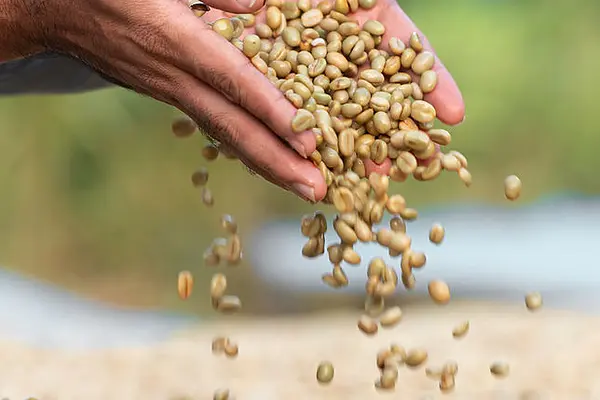
Ethiopia
Washed Sidama
Southern Nations, Nationalities, and Peoples' Region, Bensa
Floral | Lemongrass | Green Tea | Peach
Washed · In Stock
Definition
Grade 2 allows 4-8 full defects per 300-gram sample--more than Grade 1, but still within specialty range when cup quality supports it. Many excellent Ethiopian coffees grade as G2 simply because they weren't sorted as aggressively.
The key insight: grade measures physical defects, not cup quality. A well-cupped Grade 2 can outperform a poorly-handled Grade 1. Always sample before buying--grade is a starting point, not the whole story.
Why Roasters Care
In blends, a few extra defects disappear. Grade 2 delivers Ethiopian character at better margins.
Some Grade 2 lots cup at 85+. If the cup is there, the grade is just a number. Great for drip and batch.
G2 prices lower than G1. When cup quality is close, the cost savings go straight to your bottom line.
More G2 is available than G1. For volume needs, Grade 2 provides more sourcing options.
4-8 defects per 300g is minor. Quick hand-sorting can upgrade a G2 to G1 visuals if needed.
Grade doesn't cup. Always sample. The best G2 lots outperform average G1 lots.
Key Insight
Our approach: We cup everything regardless of grade. Some G2 lots make our menu; some G1 lots don't. The cup decides.
Current Inventory
Southern Nations, Nationalities, and Peoples' Region, Bensa
Floral | Lemongrass | Green Tea | Peach
Washed · In Stock
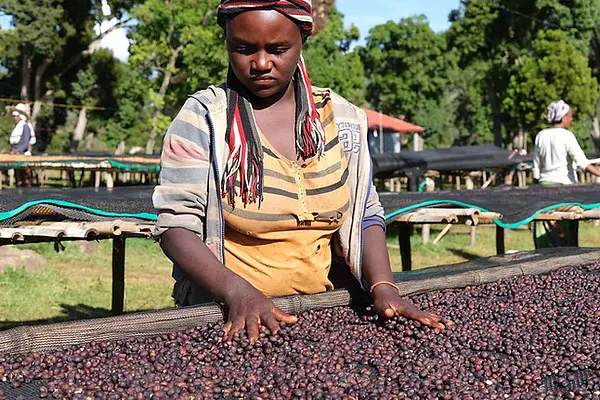
Sidama, Damo
Clean Strawberry | Peach | Sweet Finish
Natural · In Stock

Oromia, Sama
Hint of fruit, Apple | Sweet
SWD · In Stock
Request samples and discover Grade 2 lots that cup like Grade 1.