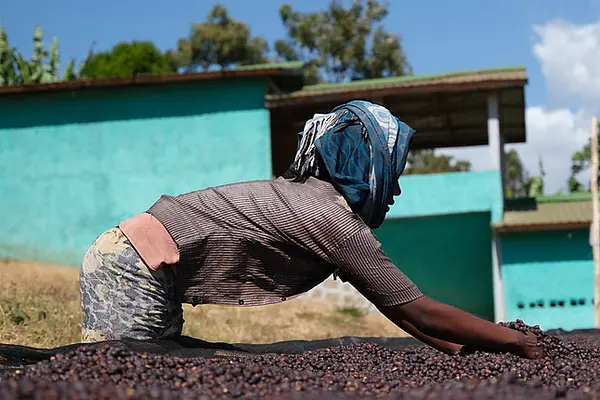
Ethiopia
WUSH WUSH
SNNP, Chito
Sangaria | Fruit Bomb | Floral | Sweet Finish
Natural, 120 hours dry Fermentation! · In Stock
Processing Method
Natural process coffee (also called dry process) is coffee dried inside the whole cherry before the fruit is removed. The cherry ferments around the seed during 2–4 weeks of sun-drying, transferring fruit sugars into the bean. The result: bigger body, berry sweetness, and winey complexity—but higher variance than washed coffees.
By Samuel Demisse — 3× U.S. Coffee Tasters Champion, Q-Grader, 34 years in specialty coffee
TL;DR for Roasters
Naturals can be exceptional or risky. The difference is process control and storage. Here's what to ask before you commit.
We provide these specs on every lot. Request samples →
The Basics
In natural processing, the coffee cherry dries with the fruit still on the seed. No water, no pulping machines. The seed absorbs sugars from the fruit as it dries. That's where the sweetness comes from.
It's the oldest method. Also called "dry process." Simple in concept, hard to control.
The Process
Only ripe. Underripes show up fast in naturals.
Remove floaters and defects before drying.
Thin layers on raised beds. Airflow matters.
Rotate regularly. Shade when sun would scorch.
Let moisture equalize before hulling.
Remove dried fruit. Sort by size and density.
Flavor
Fruit sweetness. Florals. Cocoa structure underneath. Strawberry, peach, blueberry depending on origin.
Ferment. Winey. Boozy. Some roasters want this. Some don't. Know what you're buying.
Generally fuller body than washed. Acidity can be bright but softer-edged. Roast development matters more.
The Tradeoffs
Uneven moisture means uneven roast development. If the outer cherry dried faster than the inner seed, you'll taste it.
Underripe or overripe cherry shows up fast in naturals. Washed processing hides some defects. Natural doesn't.
Naturals can fade or drift if stored hot or wet. The fruit sugars are less stable than washed coffee.
Know What You're Buying
Some roasters want "winey" or "boozy" notes. If that's your menu, look for:
This is a style choice. Know your customers before you commit.
When ferment shows up where it shouldn't, you'll notice:
This is process failure. Ask about drying conditions and moisture at purchase.
Our position: ARDI is balanced natural—fruit without funk. If you want experimental ferment, we can source it, but we'll tell you what you're getting. No surprises.
Case Study
"This is the only coffee it's been consistent for the last 16 years." Naturals are volatile by nature. ARDI proves they don't have to be—if you control the right variables.
What stays the same, year after year:
Fruit-forward without ferment. Sweetness without booze. The balance that makes roasters reorder.
Current Inventory
SNNP, Chito
Sangaria | Fruit Bomb | Floral | Sweet Finish
Natural, 120 hours dry Fermentation! · In Stock
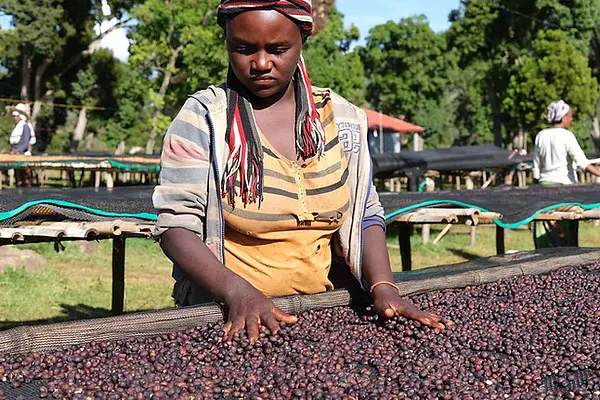
Sidama, Damo
Clean Strawberry | Peach | Sweet Finish
Natural · In Stock
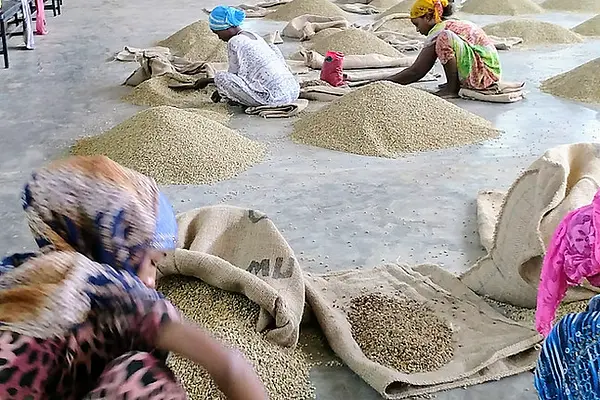
Oromia, Micheta
Chocolate | Barries | Carmel | Full Body
Natural · In Stock
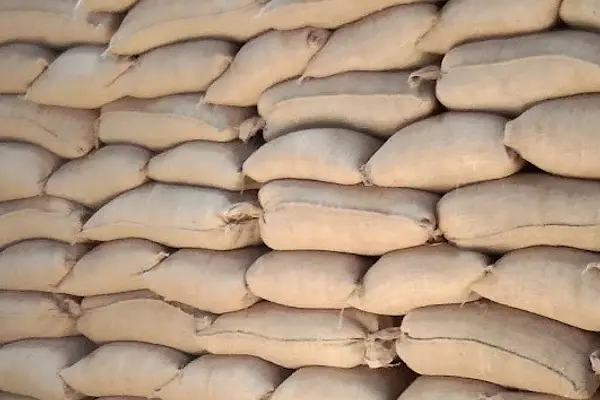
Guji
Dark Chocolate | Nuts | Medium Acidity | Complex | Comforting
Natural · In Stock
Common Questions
Coffee dried inside the whole cherry. After picking, cherries go straight onto raised beds and sun-dry for two to four weeks before the fruit is hulled off. The seed spends that entire time in contact with the fruit's sugars — which is where the berry and wine flavors come from.
During drying, sugars and fruit compounds from the cherry migrate into the seed. Slow, even drying keeps that fermentation controlled and sweet; careless drying tips it into vinegar and over-ferment. The fruit character is real, not added — it's the cherry doing the work.
They can be — defect control is harder when the seed dries inside the fruit. That's why we cup every natural lot against zero-defect standards and publish moisture and water activity on the spec sheet. Score inflation is real; the spec sheet keeps everyone honest.
Current naturals include ARDI (our trademarked natural Sidama, 86.5), Harrar Gr 1 (86.75), and Wush Wush — a 120-hour dry-fermentation lot cupping 90.0. Availability rotates with the harvest; the catalog always shows what's in the warehouse now.
Request green or roasted samples and we’ll match naturals to your roast profile, menu role, and inventory pace.