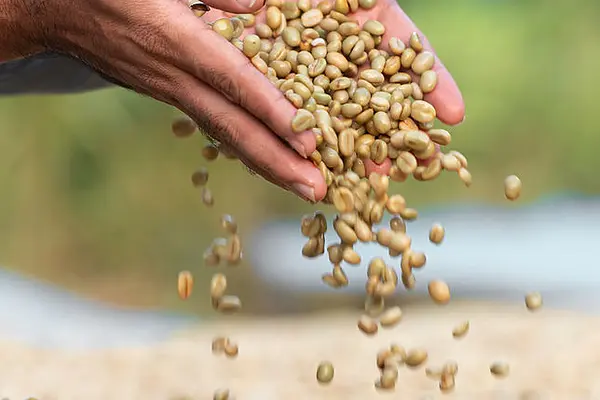
Ethiopia
Washed Sidama
Southern Nations, Nationalities, and Peoples' Region, Bensa
Floral | Lemongrass | Green Tea | Peach
Washed · In Stock
Quality Metric
Physical or sensory flaws in green coffee. Primary defects cause cup faults. Secondary are less severe. Defect counts determine grade--and directly affect what ends up in your roaster.
Definition
Coffee defects are physical abnormalities or processing flaws that affect cup quality. They're counted in a 300-gram green sample and categorized as primary (serious) or secondary (less severe).
Defect counts directly determine coffee grade. Grade 1 Ethiopian coffee allows 0-3 full defects. Grade 2 allows 4-8. Higher defect counts mean lower grades.
Defect Categories
Why Roasters Care
Primary defects cause cup faults--literally off-tastes that ruin the cup. One full black bean can affect multiple cups in a batch.
Quakers and density variation cause uneven roasts. You'll see pale beans scattered in dark roasts. Visual quality drops.
Higher grades cost more but require less sorting. For single origins, Grade 1 is worth it. For blenders, Grade 4 may suffice.
Our Approach
Every lot is graded using standard SCA defect counting. You'll know the grade before you buy.
Our YirgZ trademark goes beyond Grade 1. Actually zero primary defects per 300g sample.
We walk away from lots with defect patterns that suggest systemic problems--even if the count technically passes.
Not every roaster needs Grade 1. We offer lower grades at appropriate prices for blend components.
Current Inventory
Southern Nations, Nationalities, and Peoples' Region, Bensa
Floral | Lemongrass | Green Tea | Peach
Washed · In Stock
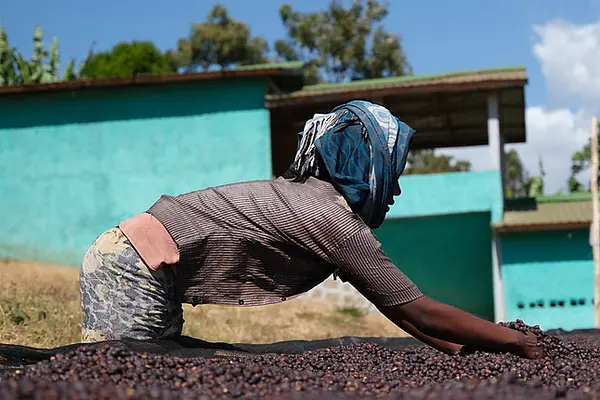
SNNP, Chito
Sangaria | Fruit Bomb | Floral | Sweet Finish
Natural, 120 hours dry Fermentation! · In Stock
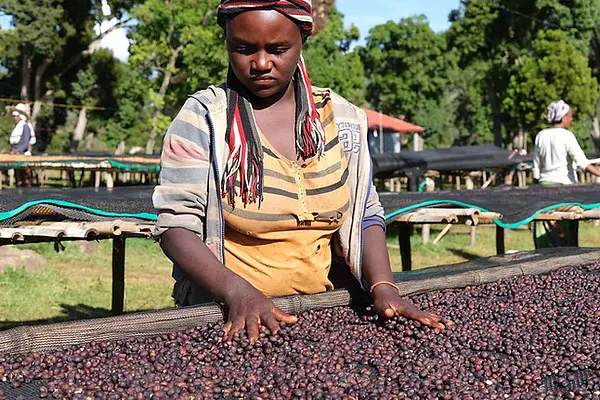
Sidama, Damo
Clean Strawberry | Peach | Sweet Finish
Natural · In Stock
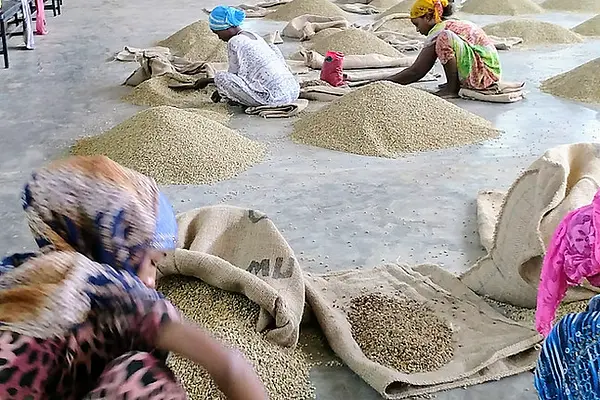
Oromia, Micheta
Chocolate | Barries | Carmel | Full Body
Natural · In Stock
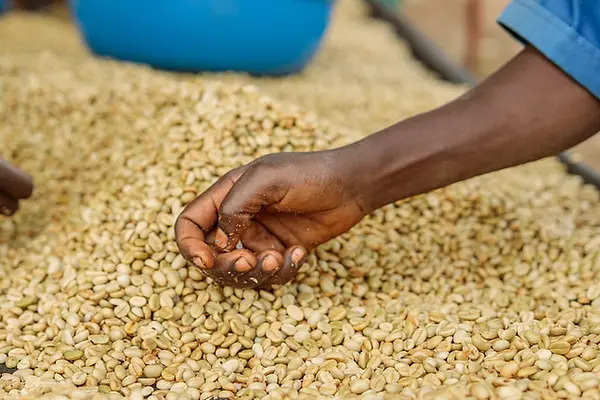
Oromia, Shakiso
Black Tea | Floral | Bergamot
Fully washed · In Stock
Deep Dive
SCA defect categories, how to interpret a grading report, and why zero-defect protocols matter for roast consistency.
Related Terms
Measure of free moisture. Below 0.60 is stable; above 0.65 risks mold.
Percentage of water in green coffee. Target 10-12% for stability.
Bean mass per volume. Affects heat transfer and roast development.
Cupping score from a certified Q-grader. 80+ is specialty grade.
Licensed coffee professional certified by CQI to evaluate specialty coffee.
Bean size measured by round-hole screens. Larger = more uniform roasts.
Request samples and we'll share grade, defect counts, and cupping notes.