Sumatra
SUMATRA | CV. Kuala Bengi
Aceh Tengah, Takengon
Chocolate | Dried Cherries | Almonds | Honey
Wet Hulled · In Stock
Processing
Indonesia's distinctive processing method, also called giling basah. Parchment removed while still wet, creating that characteristic earthy, full-bodied Sumatran cup profile.
Definition
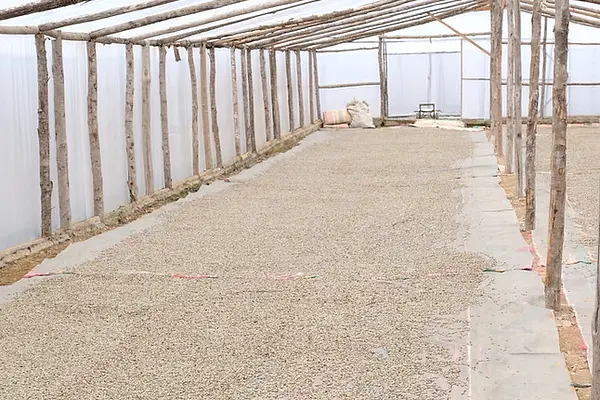
In wet hulled processing, farmers depulp and briefly ferment the coffee, then sell it to collectors while still in wet parchment (30-40% moisture). The parchment is then removed while wet, and the exposed green bean dries on patios.
This method evolved because Indonesia's high humidity makes slow drying difficult. The result is a distinctive cup: earthy, herbal, mushroomy, with heavy body and low acidity. Love it or hate it--there's nothing else quite like it.
Why Roasters Care
Nothing else tastes like Sumatra. Earthy, mushroomy, herbal, tobacco notes. Polarizing but beloved by many customers.
Heavy body and low acidity make wet-hulled coffees excellent blend components. Adds weight and complexity.
Low acidity means Sumatran coffee handles darker roasts well. Popular for French roast profiles.
Wet hulling damages the bean surface. Expect irregular shapes and colors. Doesn't affect cup if sourced well.
Decentralized processing means quality varies. Source from importers who quality-control at origin.
"Sumatra" customers expect that earthy profile. It's a distinct category with loyal following.
Our Approach
We work with established exporters who cup at origin. Not all wet hulled coffee is created equal.
Wet hulled coffee arrives at higher moisture than other origins. We verify it's within safe range.
Climate-controlled storage is essential. Sumatran coffee can develop issues if stored warm or damp.
Every Sumatran lot cupped for defects and profile. "Earthy" shouldn't mean "moldy."
Current Inventory
Deep Dive
What makes Sumatran wet-hulled coffee unique, how to evaluate quality, and key spec-sheet flags for body-forward blends.
Related Terms
Dried in cherry. Fruit-forward flavors, higher body.
Pulped and fermented before drying. Clean, bright, terroir-forward.
Caffeine removed via water or solvent. Quality depends on process.
Chemical-free decaf using water and carbon filters.
Microbial breakdown of mucilage. Key to flavor development.
Elevated drying surfaces for airflow. Better quality control.
Request samples and taste properly sourced wet hulled coffee.