Starting Point
Year 1 vs Year 5: different needs
What matters most depends on your volume, your menu complexity, and how much you want to learn versus how much you want done for you.
Year 1–2 priorities
- → Low MOQs: You need flexibility to experiment without overcommitting.
- → Education: An importer who teaches you how to evaluate coffees, not just sells them.
- → Reliability: Consistent quality and communication. No surprises.
- → Quick ship: Fast turnaround when you need to restock.
Year 5+ priorities
- → Exclusive access: Reserve lots, early picks, relationship-based sourcing.
- → Year-round programs: Contracted volume with price stability.
- → Origin collaboration: Working with producers on specific profiles.
- → Logistics efficiency: Warehousing, call-offs, freight optimization.
Terminology
Green coffee supplier vs. importer: what's the difference?
You'll hear both terms used interchangeably in the industry. A green coffee supplier is any company that sells unroasted coffee to roasters. An importer specifically handles the logistics of bringing coffee into the country—customs, freight, warehousing.
Most specialty green coffee suppliers are also importers: they source directly from origin, manage the import process, and warehouse coffee domestically. Some suppliers are traders who buy from importers and resell—adding a layer (and margin) between you and the source.
Why the distinction matters
- → Importers with direct origin access can solve problems at the source. When a shipment is delayed or quality shifts, they have relationships to draw on.
- → Traders who buy from importers are one step removed. They may offer convenience, but less control over quality and sourcing.
- → Price transparency is clearer when buying direct from the importer. You know who's adding margin and why.
When evaluating a green coffee supplier, ask: "Do you import directly, or do you buy from other importers?" The answer tells you a lot about their origin access, pricing, and ability to support your business.
Evaluation Criteria
Five things to evaluate
Origin access & expertise
Does the importer have direct relationships at origin, or are they buying from other importers? Direct relationships mean better prices, fresher coffee, and the ability to solve problems.
Questions to ask: "How often do you visit origin? Who do you buy from—exporters, cooperatives, estates? How long have those relationships existed?"
Quality control process
What happens between origin and your door? Multiple cupping checkpoints catch problems. Single-point QC means you're trusting someone else's judgment entirely.
Questions to ask: "Do you cup at origin? Do you re-cup on arrival? What happens if arrival doesn't match the pre-ship sample?"
Logistics & storage
Where is the warehouse? What are storage conditions? Can you order partial bags or do call-offs? Logistics should make your life easier, not harder.
Questions to ask: "Is storage climate-controlled? What's the lead time on orders? Do you charge for storage? What are your freight options?"
Pricing & stability
How does the importer handle price volatility? Do they absorb freight spikes or pass them through? Understanding their pricing model helps you plan your margins.
Questions to ask: "How do you set prices? Do you offer contracts or just spot? How did you handle pricing during the last tariff or freight spike?"
Communication & support
Some importers are self-service catalogs. Others are consultative partners. Neither is wrong—it depends on what you need. But know what you're getting.
Questions to ask: "How quickly do you respond to questions? Can you help me build a menu? What happens if I get a coffee that doesn't work?"
Watch Out
Red flags to watch for
No spec sheets
If they can't tell you moisture, water activity, and defect count, they're not doing QC. You're flying blind.
"Trust us" pricing
Importers should be transparent about how they price. Mystery margins are a sign of extractive relationships.
Can't trace origin
"Blended from multiple sources" isn't specialty. If they can't name the farm, station, or cooperative, question the relationship depth.
Score inflation
If everything is 87+, someone's calibration is off. Real cupping finds variation. Perfect scores suggest marketing, not QC.
Slow communication
If getting sample info takes a week, imagine what happens when you have a problem. Responsiveness matters.
"We have everything"
Specialists beat generalists. An importer with deep expertise in 5 origins often outperforms one with shallow access to 30.
Our Approach
What Keffa brings to the relationship
-
✓
34 years in specialty: Founded by Samuel Demisse—3× U.S. Tasters Champion, Q-Grader, Ethiopian-born.
-
✓
Direct Ethiopia access: 20+ year relationships with exporters and washing stations. Sam cups at origin.
-
✓
Multiple QC gates: We cup at origin, verify government QC, and re-cup on arrival.
-
✓
Climate-controlled storage: Free warehouse storage in Baltimore. Order when you need it.
-
✓
Low MOQs: Start small and grow. No pressure to overbuy.
-
✓
Pricing stability: We absorbed tariff and freight spikes. Our prices held when others raised.
-
✓
24-hour response: Questions get answered. Problems get solved. Fast.
-
✓
Next-day shipping: Order by 2pm, ships same day. You're never waiting on us.
Sample Our Work
Featured coffees
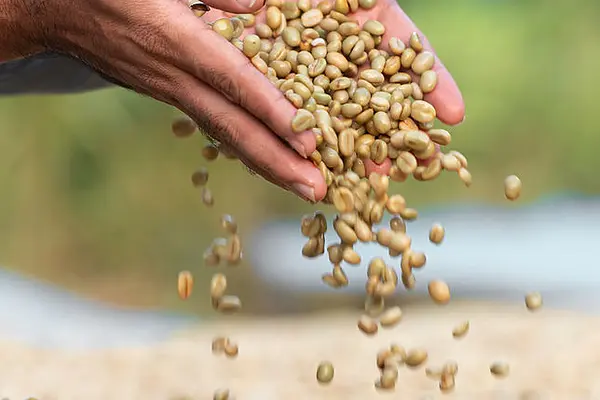
Washed Sidama
Southern Nations, Nationalities, and Peoples' Region, Bensa
Floral | Lemongrass | Green Tea | Peach
Washed · In Stock
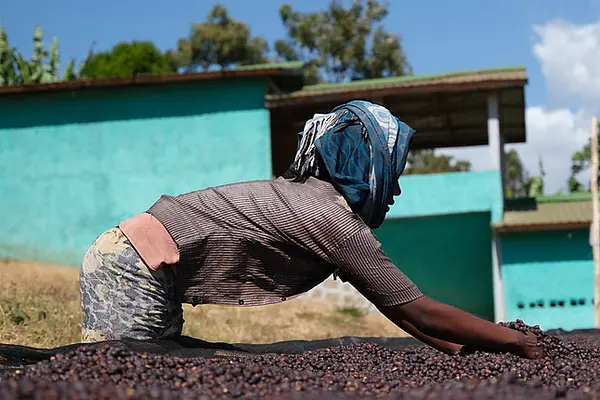
WUSH WUSH
SNNP, Chito
Sangaria | Fruit Bomb | Floral | Sweet Finish
Natural, 120 hours dry Fermentation! · In Stock
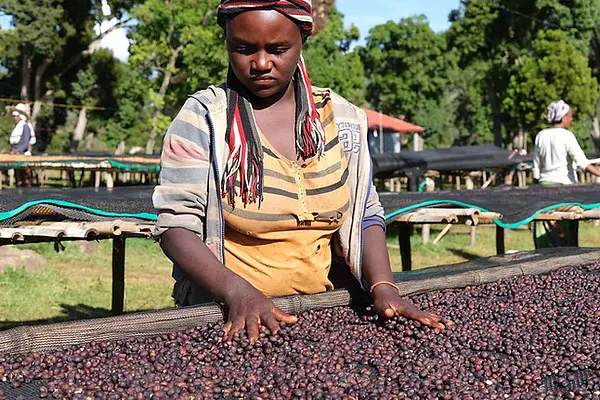
Natural ARDI
Sidama, Damo
Clean Strawberry | Peach | Sweet Finish
Natural · In Stock
Common Questions
Choosing an importer or supplier: FAQs
What should I look for in a green coffee supplier?
Look for direct origin relationships, transparent pricing, quality control at multiple points (origin and arrival), climate-controlled storage, and responsive communication. A good green coffee supplier should be able to tell you exactly where their coffee comes from, provide full spec sheets with moisture and water activity data, and solve problems quickly when they arise.
How do I know if a supplier imports directly?
Ask them: "Do you import directly, or do you buy from other importers?" Direct importers will have origin staff or regular visits, relationships with specific exporters or cooperatives, and control over quality at the source. They can typically offer better pricing and more detailed traceability than traders who add a margin on top of another importer's inventory.