The Challenge
The MOQ trap for new roasters
Many importers require full-bag minimums (132 lbs / 60kg) or even pallet minimums. For a new roaster doing 50–200 lbs/week, that math doesn't work.
Problem: Cash tied up
A full bag at $6/lb is $800 in one coffee. Four origins = $3,200 sitting in inventory. That's working capital you can't use elsewhere.
Problem: Coffee fades
If you're moving through a bag in 4+ months, you're selling coffee that's past peak. Especially true for naturals and delicate origins.
Problem: Stuck with experiments
Ordered 132 lbs of something new and customers didn't like it? Now you're discounting or drinking through it yourself.
The Solution
What flexible MOQ looks like
Lower minimums, higher frequency
The smarter approach: order smaller amounts more often. You turn inventory faster, coffee stays fresh, and you're not overcommitted to any one lot.
Example: Year 1 roaster
Roasting 100 lbs/week across 4 origins:
Same coffee, same menu—but $2,000 less tied up and fresher beans in your hopper.
Practical Planning
How to plan your green inventory
Know your velocity
Track how fast each coffee moves. Your house blend turns faster than limited-release single origins. Plan accordingly.
Set a freshness window
Target 6–8 weeks max for naturals, 8–12 weeks for washed. Order to hit these windows, not to maximize single-order discounts.
Build in buffer
Keep 1–2 weeks of safety stock for your core coffees. One reorder delay shouldn't mean an empty hopper.
Order on rhythm
Set a regular order day (e.g., every Monday). Consistency prevents both panic orders and over-ordering.
Growing Smart
When to scale up your orders
Move to full bags when...
- • You're turning a coffee in under 4 weeks
- • Per-pound cost savings matter at your volume
- • The coffee is proven (customer favorite)
Consider warehousing when...
- • You want to lock in a lot before it sells out
- • Your storage isn't climate-controlled
- • You can save on freight with larger purchases
Stick with flexible MOQ when...
- • You're testing new origins or processes
- • Volume is seasonal or unpredictable
- • Cash flow is tight—working capital matters
How We Work
Keffa's approach to MOQ
Flexible by default
We don't require full bags. Order what you need, when you need it. Start with 30–50 lbs to test a new coffee. Scale up when it's proven.
We'd rather sell you the right amount of fresh coffee than a big order that sits too long.
Free storage, no pressure
Want to lock in a lot? Buy it and leave it in our climate-controlled warehouse. Call off what you need, when you need it. No storage fees.
Next-day shipping means you're never waiting. Order closer to need, hold less on-site.
Start Here
Coffees to start with
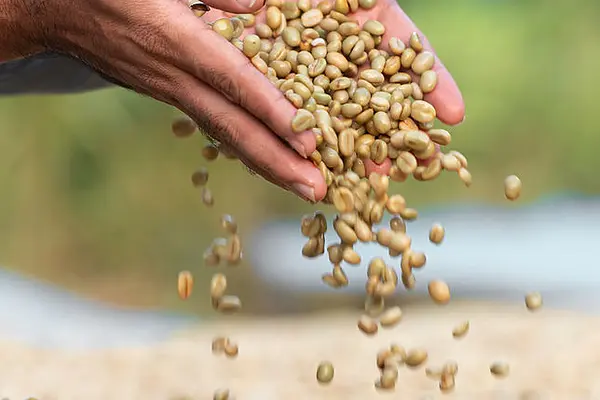
Washed Sidama
Southern Nations, Nationalities, and Peoples' Region, Bensa
Floral | Lemongrass | Green Tea | Peach
Washed · In Stock
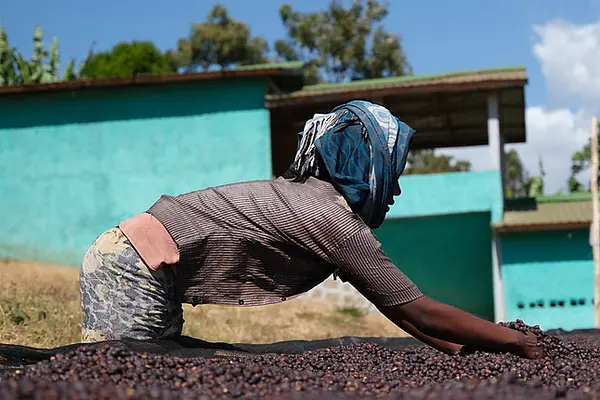
WUSH WUSH
SNNP, Chito
Sangaria | Fruit Bomb | Floral | Sweet Finish
Natural, 120 hours dry Fermentation! · In Stock
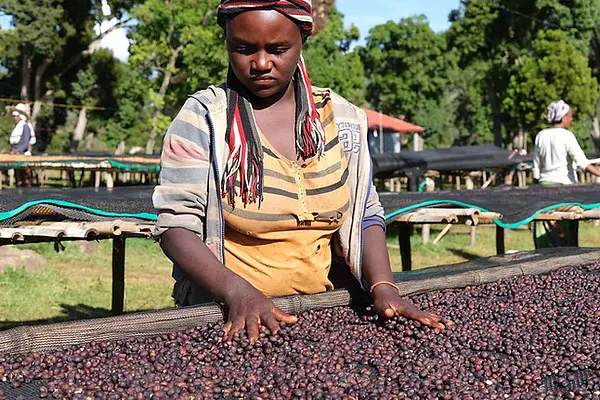
Natural ARDI
Sidama, Damo
Clean Strawberry | Peach | Sweet Finish
Natural · In Stock
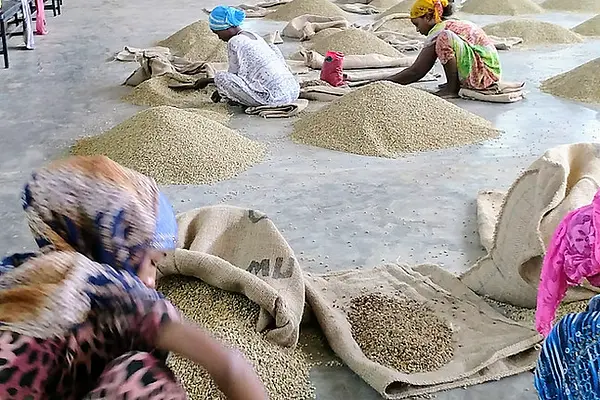
Harrar Gr 1
Oromia, Micheta
Chocolate | Barries | Carmel | Full Body
Natural · In Stock
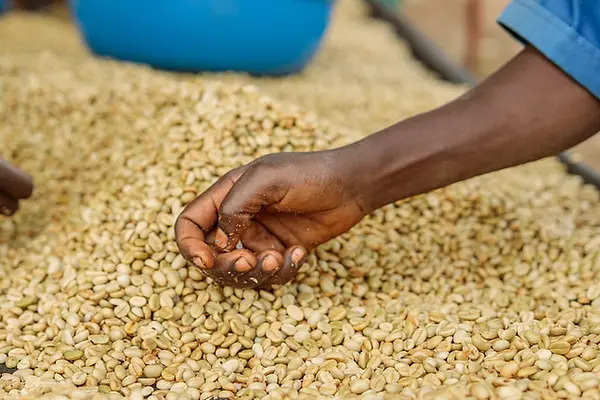
Washed Guji
Oromia, Shakiso
Black Tea | Floral | Bergamot
Fully washed · In Stock
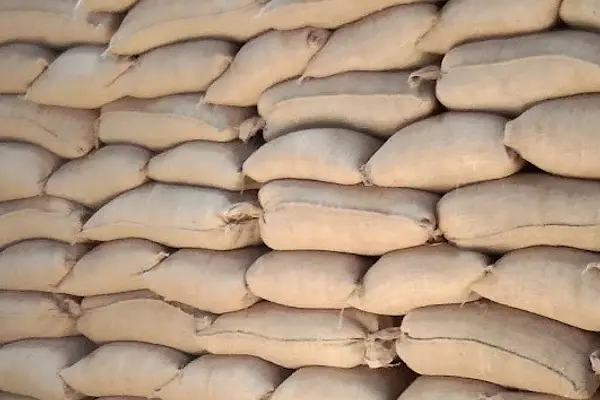
NATURAL SIDAMA GR 4
Guji
Dark Chocolate | Nuts | Medium Acidity | Complex | Comforting
Natural · In Stock