TL;DR for Roasters
The 10–12% sweet spot
Moisture content is simple to understand but easy to misinterpret. Too high means mold risk and sluggish roast. Too low means faded cup and brittle beans.
Moisture ranges explained
The Basics
What moisture content measures
Moisture content is the percentage of water by weight in the green bean. When you see "11.2% moisture," it means 11.2% of the bean's weight is water.
It's measured using a moisture meter—either a handheld probe or a more accurate lab device. Different methods can give slightly different readings, so consistency matters.
Why it changes
Coffee is hygroscopic—it absorbs and releases moisture based on environment. A coffee dried to 11% at origin can arrive at 12% if exposed to humidity during transit.
Fresh crop timeline
At harvest
Cherry is ~60% water. Dramatic drying needed.
After drying
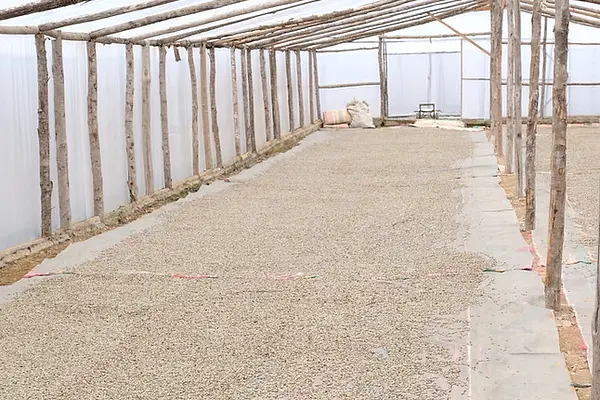
Target: 10–12%. Takes 7–20+ days depending on method.
At export
Should be stable. GrainPro bags prevent regain during transit.
At arrival
Verify it matches origin reading. Changes indicate problems.
What Can Go Wrong
When moisture is wrong
Too high (>12%)
Mold risk: Above 12%, microbial growth becomes possible—especially if storage isn't climate-controlled.
Sluggish roast: Extra moisture slows heat transfer. First crack may be delayed or muted.
Weight loss: You're paying for water that will evaporate. Higher moisture = more shrinkage.
Quality risk: May indicate rushed drying or improper storage.
Too low (<10%)
Faded cup: Very low moisture often means old crop. Brightness and complexity fade over time.
Brittle beans: Over-dried coffee can crack during handling and roasting.
Fast roast: Less moisture means faster heat absorption. Profile may need adjustment.
Past its peak: Fresh crop should be 10–12%. Below 10% raises questions.
The real question: Low moisture isn't automatically bad—some origins dry more aggressively. But combined with water activity, you get the full picture.
Roasting Impact
How moisture affects your roast
Charge temperature
Higher moisture = more energy needed to drive off water. You may need higher charge temps or longer drying phase.
First crack timing
Moisture affects when first crack happens. Consistent moisture = consistent timing = repeatable profiles.
Development
Lower moisture coffees develop faster post-first-crack. Higher moisture coffees have more thermal mass.
Color reading
Moisture affects how light interacts with the bean. Same color may taste different at different moisture levels.
Batch size
If moisture varies between lots, you may need to adjust batch size to maintain consistent roast dynamics.
Resting time
Higher moisture coffees may benefit from longer post-roast degassing before brewing.
Our Standards
What we require
We measure moisture at origin and on arrival. Every lot we sell includes moisture data in the spec sheet.
Acceptance range
10–12% for most origins. We'll note anything outside this range and explain why.
Arrival verification
If arrival moisture differs significantly from origin reading, we investigate before releasing the lot.
GrainPro standard
All our coffees ship in GrainPro bags to prevent moisture regain during transit.
Related specs to check
We provide all these measurements on every lot. Request samples to see full spec sheets.
Current Inventory
Coffees with moisture data
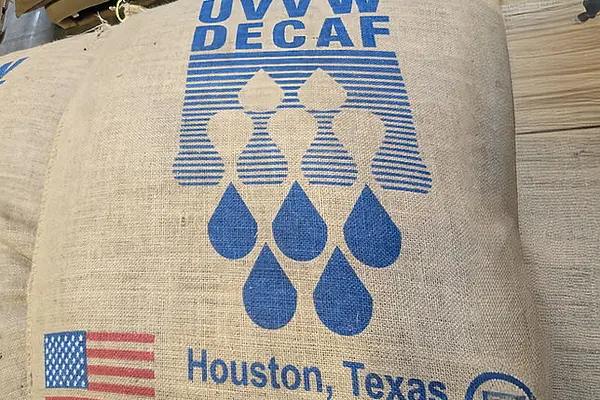
Natural Sidama American Decaf
Oromia, Sama
Crisp Apple | Toasted Almond
American Decaf · In Stock

SWD Natural Sidama
Oromia, Sama
Hint of fruit, Apple | Sweet
SWD · In Stock
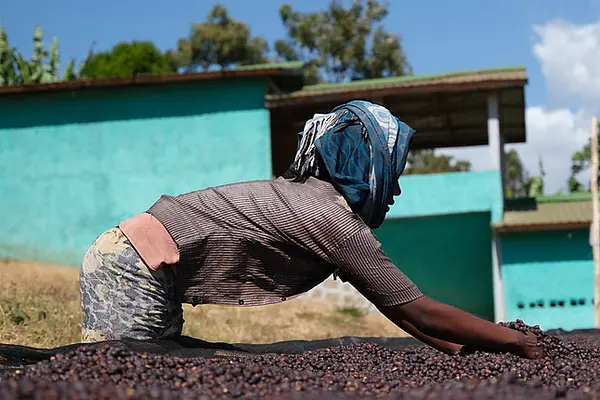
WUSH WUSH
SNNP, Chito
Sangaria | Fruit Bomb | Floral | Sweet Finish
Natural, 120 hours dry Fermentation! · In Stock
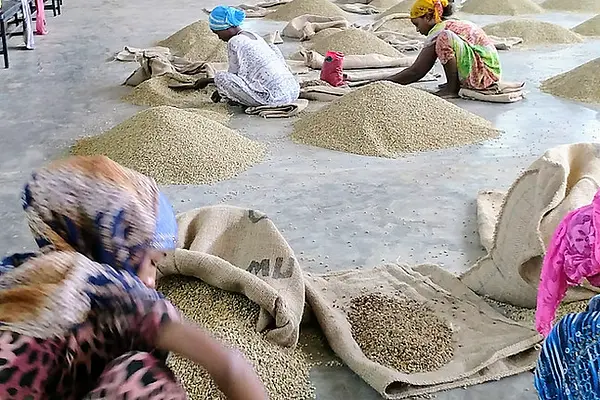
Harrar Gr 1
Oromia, Micheta
Chocolate | Barries | Carmel | Full Body
Natural · In Stock
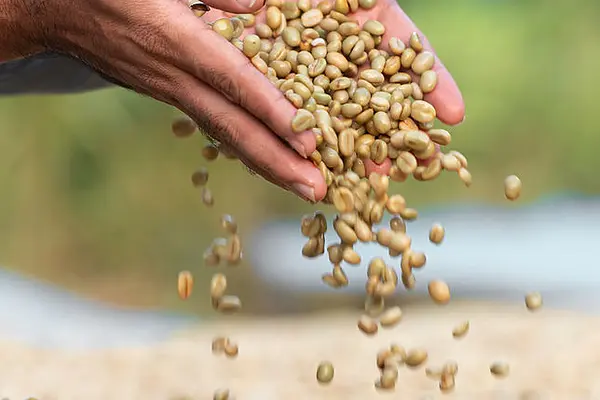
Washed Sidama
Southern Nations, Nationalities, and Peoples' Region, Bensa
Floral | Lemongrass | Green Tea | Peach
Washed · In Stock
SUMATRA | CV. Kuala Bengi
Aceh Tengah, Takengon
Chocolate | Dried Cherries | Almonds | Honey
Wet Hulled · In Stock