TL;DR for Roasters
The spec most buyers skip
Everyone asks for moisture. Few ask for water activity. But aW tells you more about how coffee will behave in storage and roast.
Water activity vs moisture
Moisture content
Total water present (% by weight). Tells you how much water is in the bean.
Water activity (aW)
How available that water is (0.00–1.00 scale). Tells you what that water will do.
Two coffees can have the same moisture but different water activity—and behave very differently in storage.
The Science
What water activity actually measures
Water activity (aW) is the ratio of vapor pressure in the coffee to vapor pressure of pure water. It ranges from 0.00 (bone dry) to 1.00 (pure water).
The key insight: water that's chemically bound to other molecules (sugars, proteins) isn't available for microbial growth or chemical reactions. That's why moisture percentage alone doesn't tell the whole story.
The 0.60 threshold
Below 0.60 aW, most microorganisms can't grow. This is a well-established threshold in food science. Coffee stored below this line is microbiologically stable.
aW ranges and what they mean
Practical Use
What this means for roasters
Shelf life prediction
Low aW coffee ages slower. If you're buying ahead for year-round inventory, aW tells you more about longevity than moisture alone.
Roast consistency
Water activity affects how beans absorb heat. Consistent aW means more predictable roast development batch to batch.
Natural process coffees
Naturals are more sensitive to storage conditions. Lower aW (0.50–0.55) helps preserve fruit character longer.
Quality indicator
Unusually high aW can indicate rushed drying, poor storage, or processing problems. It's a red flag worth investigating.
Blend stability
Blending coffees with very different aW can create uneven aging. Match water activity for consistent blend performance.
Storage planning
Higher aW coffees need more careful storage. If you can't control warehouse temperature, prioritize low aW purchases.
Our Approach
How we use water activity
We provide water activity measurements on every lot we sell. Here's how we use it in our QC process:
Our targets
We reject lots above 0.65 aW unless there's a clear explanation and cup quality justifies it.
Current Inventory
Coffees with water activity data
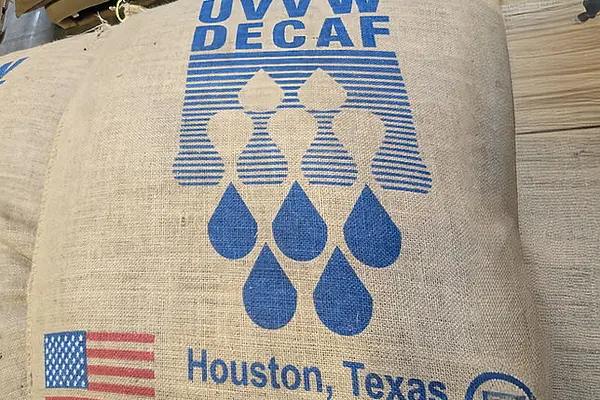
Natural Sidama American Decaf
Oromia, Sama
Crisp Apple | Toasted Almond
American Decaf · In Stock
SWD Natural Sidama
Oromia, Sama
Hint of fruit, Apple | Sweet
SWD · In Stock
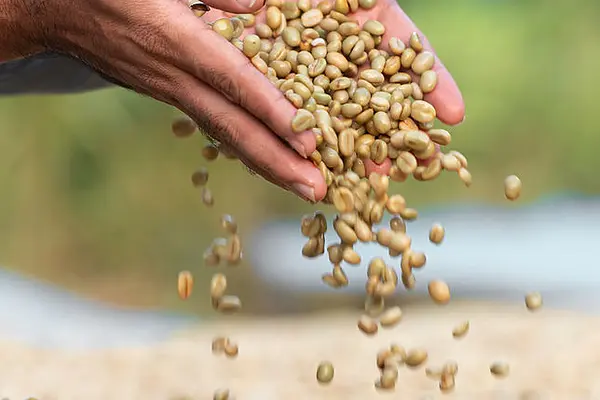
Washed Sidama
Southern Nations, Nationalities, and Peoples' Region, Bensa
Floral | Lemongrass | Green Tea | Peach
Washed · In Stock
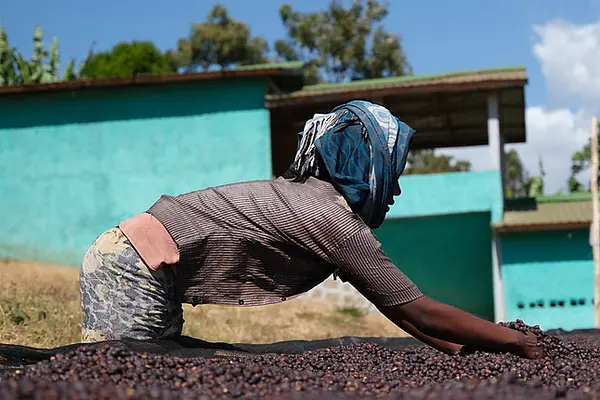
WUSH WUSH
SNNP, Chito
Sangaria | Fruit Bomb | Floral | Sweet Finish
Natural, 120 hours dry Fermentation! · In Stock
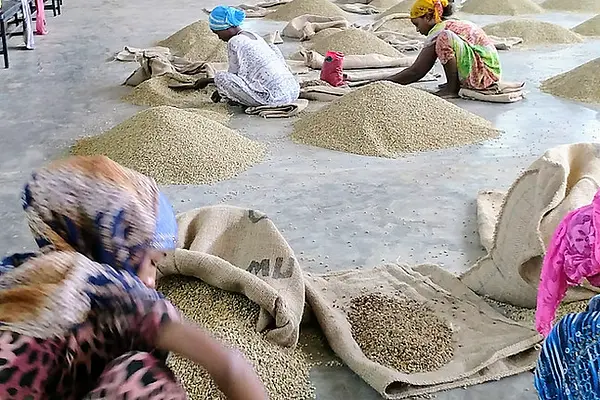
Harrar Gr 1
Oromia, Micheta
Chocolate | Barries | Carmel | Full Body
Natural · In Stock
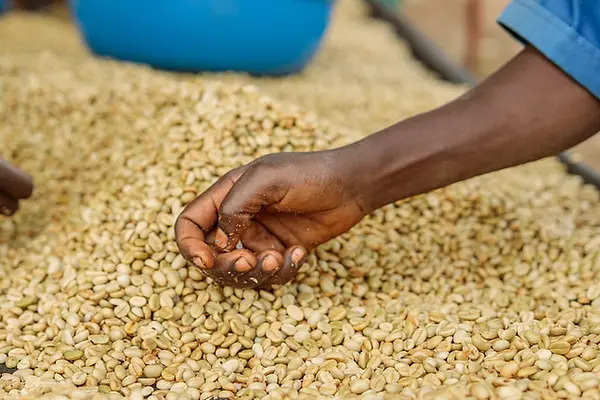
Washed Guji
Oromia, Shakiso
Black Tea | Floral | Bergamot
Fully washed · In Stock