TL;DR for Roasters
What pricing stability means
When external costs spike—tariffs, freight, currency swings—importers have a choice: pass it through immediately or absorb the shock. We chose absorption.
What you can count on
- → Quoted price is the price. No surprise surcharges.
- → Freight included. You know total landed cost.
- → Price holds on committed inventory.
- → External shocks are our problem, not yours.
We think of pricing stability as part of the partnership, not a bonus feature.
Why It Matters
The real cost of price volatility
When your green coffee costs swing unexpectedly, it ripples through your entire business. You have to decide: eat the margin hit or raise retail prices (and explain why to customers).
Roasters who buy on spot pricing are at the mercy of every C-market move, every freight spike, every tariff change. That's exhausting—and it makes planning impossible.
We believe an importer should provide more than just coffee. We should provide stability. That means taking on risk ourselves rather than passing it through.
What volatility costs roasters
- 1 Margin uncertainty: Hard to set retail prices when input costs change weekly.
- 2 Menu repricing: Changing wholesale prices strains customer relationships.
- 3 Cash flow stress: Unexpected cost increases hit when you least expect.
- 4 Planning paralysis: Hard to commit to contracts when you can't predict costs.
Our Approach
How we maintain stable pricing
Long-term contracts
We lock in pricing with origin partners for multiple seasons. This smooths out market volatility before it reaches you.
Freight hedging
We book container space in advance and build freight costs into our annual planning, not reactive pricing.
Conservative margins
We build buffer into our margins to absorb shocks rather than running razor-thin and passing every fluctuation through.
Relationship focus
Short-term profit maximization would mean passing costs through. We prioritize long-term partnerships.
Vertical integration
We control as much of the supply chain as possible, reducing dependence on third parties who might spike prices.
Volume stability
Consistent buying volume gives us leverage with suppliers and logistics partners, translating to better rates.
Case Study
The 2024–2025 tariff increase
When tariffs on Ethiopian coffee increased, importers faced a choice. Most passed the increase directly to roasters—often with minimal notice.
Why we could absorb it
This wasn't charity—it was planning. We'd anticipated policy volatility and built it into our model:
- 1 Conservative margin structure from the start
- 2 Inventory already in country before increase
- 3 Long-term view: losing margin now, keeping customers forever
We'd rather take a short-term hit than damage trust built over years.
Evaluate Importers
Questions to ask about pricing
-
How did you handle the last tariff/freight spike?
Their answer reveals their philosophy. Immediate pass-through? Or absorption?
-
Are there any surcharges not included in quoted price?
Fuel surcharges, handling fees, or "market adjustments" can appear after the quote.
-
How much notice do you give before price changes?
30 days? 7 days? None? This affects your ability to plan.
-
Can you hold price on committed inventory?
If you reserve bags, is the price locked or subject to "market conditions"?
-
What's your approach to C-market volatility?
Do they hedge? Build buffer? Or just react and pass through?
-
Have you ever changed price on an open order?
If yes, that's a red flag for reliability.
Current Offerings
Ethiopia coffees at stable prices
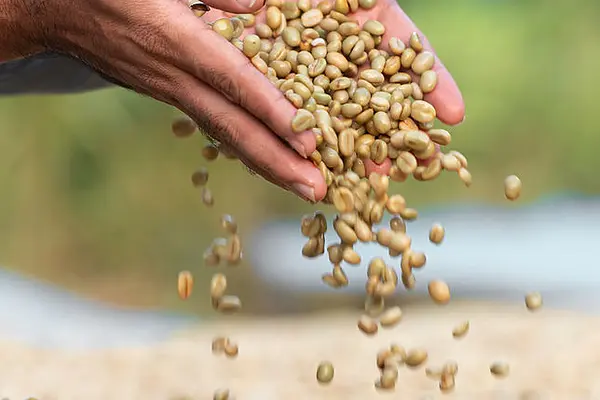
Washed Sidama
Southern Nations, Nationalities, and Peoples' Region, Bensa
Floral | Lemongrass | Green Tea | Peach
Washed · In Stock
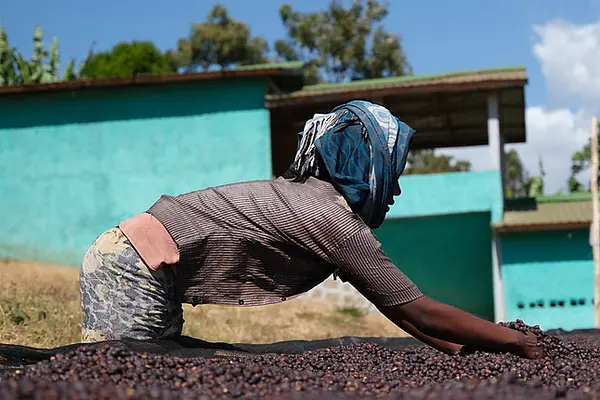
WUSH WUSH
SNNP, Chito
Sangaria | Fruit Bomb | Floral | Sweet Finish
Natural, 120 hours dry Fermentation! · In Stock
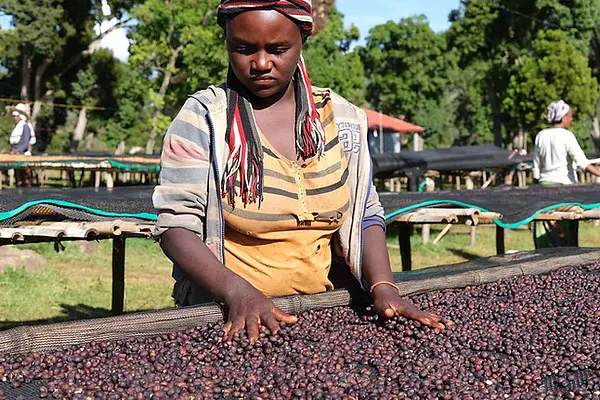
Natural ARDI
Sidama, Damo
Clean Strawberry | Peach | Sweet Finish
Natural · In Stock
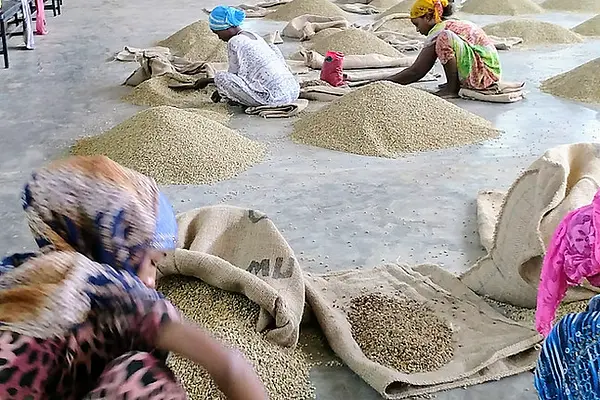
Harrar Gr 1
Oromia, Micheta
Chocolate | Barries | Carmel | Full Body
Natural · In Stock