TL;DR for Roasters
Why these specs matter
Density and screen size don't directly predict cup quality—but they predict how coffee will behave during roasting. Understanding them helps you dial in faster.
Quick reference
High density (>720 g/L)
Denser = slower heat transfer. Higher charge temp, more development time.
Low density (<680 g/L)
Less dense = faster development. Lower charge, watch for scorching.
Large screen (17-18+)
Bigger beans. More consistent roast if uniformly sorted.
Smaller screen (14-16)
Common for peaberries and some origins. Faster roast.
Density
What density tells you
Density measures how tightly packed the bean's cellular structure is. It's expressed in grams per liter (g/L). Denser beans have more compact cell walls and less internal air.
High-altitude coffees tend to be denser because they develop slower in cooler temperatures. The plant puts more energy into fewer, denser cherries. This correlates with (but doesn't guarantee) higher cup quality.
For roasting, density matters because it affects how heat moves through the bean. Denser beans conduct heat slower and need more energy input to reach the same development level.
Density by origin (typical ranges)
These are ranges. Processing, variety, and specific microclimate all influence density.
Screen Size
What screen size tells you
Screen size is the physical dimension of the bean, measured by passing beans through graduated screens with round holes. Screen 18 means the bean doesn't pass through an 18/64" hole but passes through 19/64".
Uniform screen size = uniform roast. When beans are the same size, they absorb heat at the same rate. Mixed sizes lead to uneven development: small beans overdevelop while large beans underdevelop.
Grading systems often use screen size as a quality indicator. "Supremo" (Colombia), "AA" (Kenya), and "Grade 1" (Ethiopia) all reference size grading. But size doesn't directly mean quality—it means sorting precision.
Common screen sizes
Roasting Guide
How to adjust for density and size
High-Density Coffees
These are your high-altitude Ethiopians, Kenyans, and Colombians. Compact cell structure means slower heat transfer.
- → Charge temp: Higher (5–10°F above your baseline)
- → Airflow: More aggressive to prevent stalling
- → Development: May need longer post-crack
- → Watch for: Underdevelopment if you don't apply enough heat
Low-Density Coffees
Brazils, lower-altitude coffees, and some processed coffees. More porous structure means faster heat absorption.
- → Charge temp: Lower (5–10°F below your baseline)
- → Airflow: Moderate to prevent racing through
- → Development: Shorter development time works
- → Watch for: Scorching, tipping, or overdevelopment
Screen size considerations
Large screens (17+)
More mass = more thermal inertia. These beans hold heat and continue developing after first crack. Plan for coasting.
Small screens (15 and under)
Less mass = responsive to heat changes. Quick to crack, quick to overdevelop. Stay attentive through development.
Our Process
How Keffa measures these specs
We measure density and screen size on every lot as part of our QC process. This data appears on spec sheets alongside moisture, water activity, and cupping scores.
What we provide on spec sheets
- → Density: Measured value in g/L
- → Screen size: Dominant screen (e.g., "Screen 17/18")
- → Moisture: Percentage by weight
- → Water activity: aW measurement
- → Cupping score: SCA protocol score
Full specs available on every lot. Learn how to read spec sheets →
Current Inventory
Coffees with density data
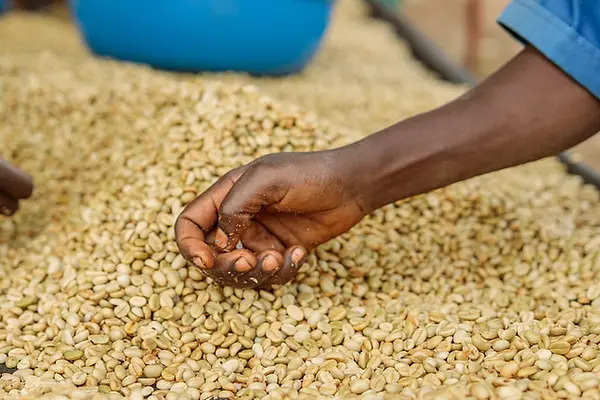
Washed Guji
Oromia, Shakiso
Black Tea | Floral | Bergamot
Fully washed · In Stock
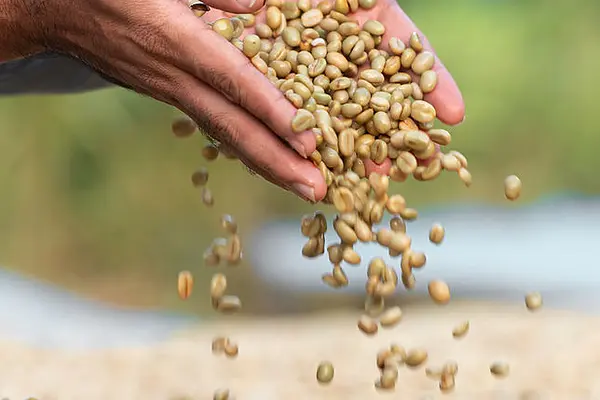
Washed Sidama
Southern Nations, Nationalities, and Peoples' Region, Bensa
Floral | Lemongrass | Green Tea | Peach
Washed · In Stock
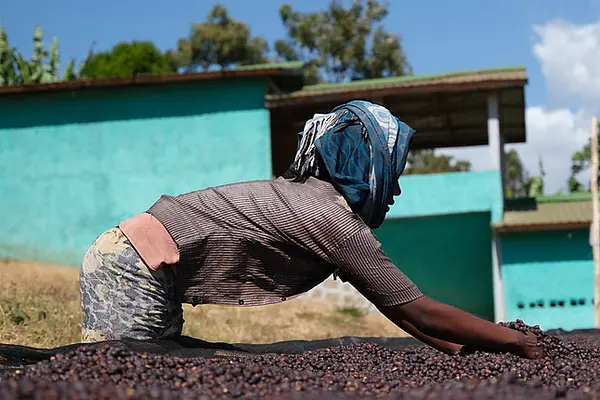
WUSH WUSH
SNNP, Chito
Sangaria | Fruit Bomb | Floral | Sweet Finish
Natural, 120 hours dry Fermentation! · In Stock
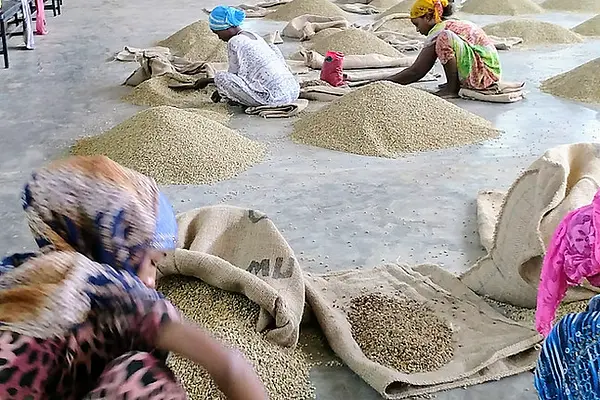
Harrar Gr 1
Oromia, Micheta
Chocolate | Barries | Carmel | Full Body
Natural · In Stock
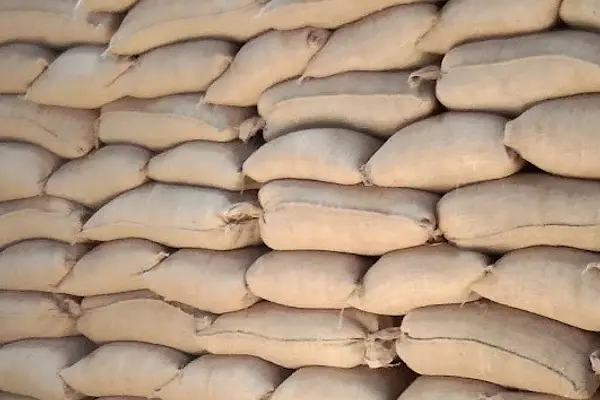
NATURAL SIDAMA GR 4
Guji
Dark Chocolate | Nuts | Medium Acidity | Complex | Comforting
Natural · In Stock
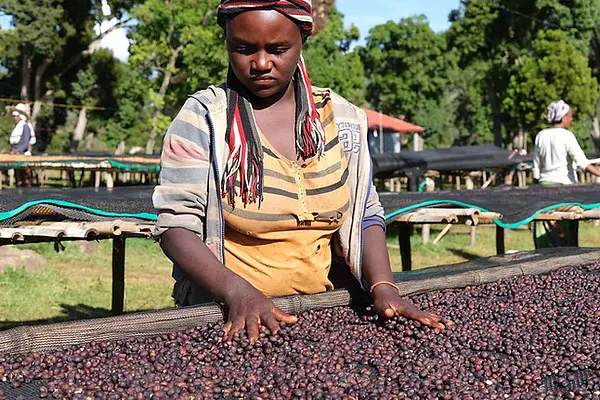
Natural ARDI
Sidama, Damo
Clean Strawberry | Peach | Sweet Finish
Natural · In Stock