TL;DR for Roasters
Why Ethiopia takes longer
Ethiopia isn't slow because of inefficiency. It's a complex system designed to protect quality and prevent fraud. Every checkpoint matters.
What can go wrong
- • Container availability issues at Djibouti
- • Delays at government QC checkpoints
- • Payment processing holdups
- • Road conditions during rainy season
Our relationships help us navigate delays. 34 years of experience matters here.
The Journey
Station to warehouse: the complete path
Washing station processing
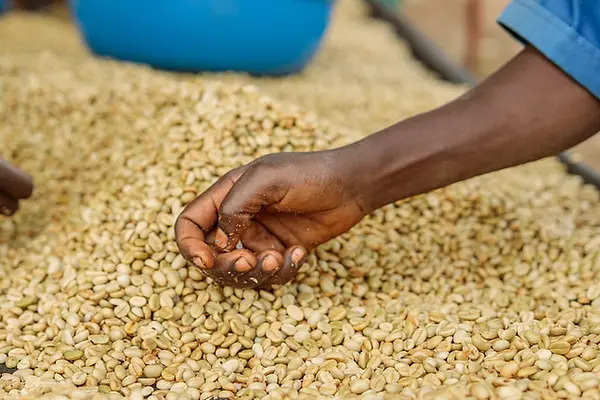
Cherry arrives at the washing station. Washed lots go through pulping, fermentation, washing, and drying. Naturals dry on raised beds for 2–4 weeks. Sam cups at origin to verify quality before any commitment.
Trucking to Addis Ababa
Parchment or dried cherry moves by truck from remote washing stations to Addis Ababa. Guji stations are 400+ km from the capital. Road quality varies seasonally.
Quality control checkpoints
Ethiopian coffee passes through government quality control before export approval. This protects the "Ethiopia" brand but adds time. Lots that don't meet grade requirements get rejected or downgraded.
Export milling in Addis
Final hulling removes parchment (washed) or dried fruit (natural). Grading by size and density. GrainPro bags for moisture protection. 2–3 days processing time.
Addis to Djibouti to US
Truck from Addis to Djibouti port (2–3 days). Load containers. Ocean freight to US East Coast (45–60 days). Customs clearance. Delivery to climate-controlled warehouse in Baltimore.
Re-cup and warehouse
We cup every lot on arrival in Baltimore. If arrival sample doesn't match origin sample, it sits or goes. Climate-controlled storage maintains quality until you order.
Timeline
Realistic timing breakdown
Why naturals take longer: Natural process requires 2–4 weeks of drying (vs hours for washed). This pushes everything downstream later.
Our Approach
How we reduce transit risk
Cup at origin
Sam cups lots before we commit. No surprises on arrival because we know what we're buying.
Established relationships
34 years of working with the same exporters and stations. We get priority when containers are scarce.
GrainPro packaging
Moisture barrier bags protect coffee during ocean transit. Reduces fade and maintains freshness.
Re-cup on arrival
Every lot gets cupped in Baltimore. If it doesn't match the origin sample, we handle it.
Climate-controlled storage
Our warehouse maintains consistent temperature and humidity. Critical for naturals.
Transparent communication
If there's a delay, we tell you. No guessing about when your coffee will arrive.
Current Inventory
Ethiopia coffees in stock
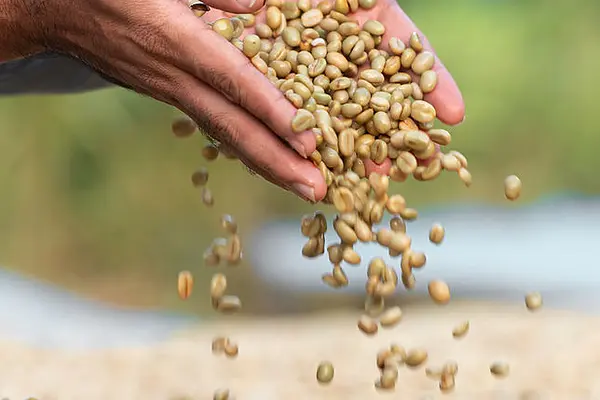
Washed Sidama
Southern Nations, Nationalities, and Peoples' Region, Bensa
Floral | Lemongrass | Green Tea | Peach
Washed · In Stock
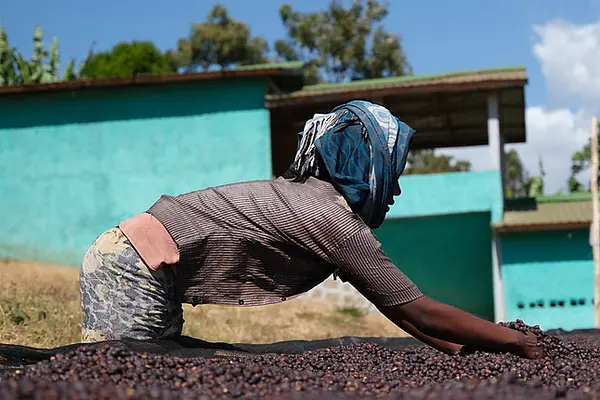
WUSH WUSH
SNNP, Chito
Sangaria | Fruit Bomb | Floral | Sweet Finish
Natural, 120 hours dry Fermentation! · In Stock
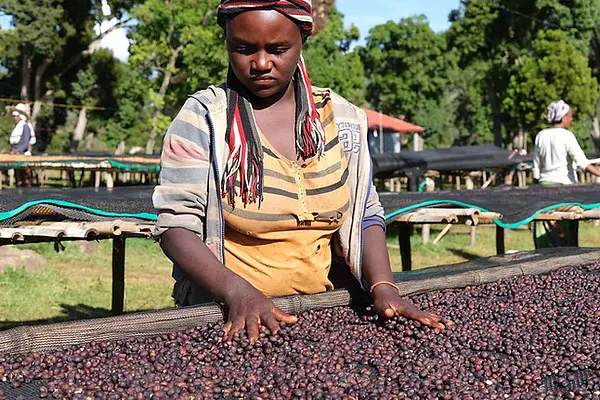
Natural ARDI
Sidama, Damo
Clean Strawberry | Peach | Sweet Finish
Natural · In Stock
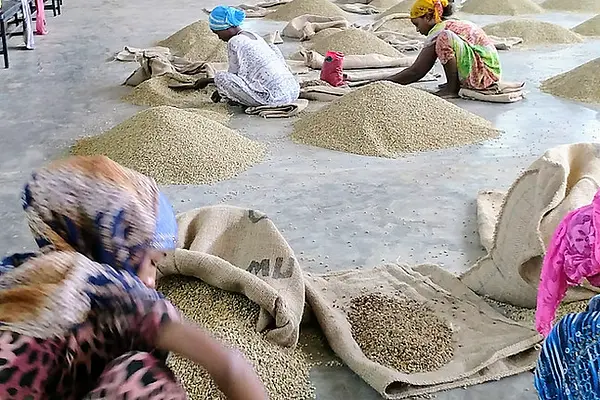
Harrar Gr 1
Oromia, Micheta
Chocolate | Barries | Carmel | Full Body
Natural · In Stock
Washed Guji
Oromia, Shakiso
Black Tea | Floral | Bergamot
Fully washed · In Stock