TL;DR for Roasters
The one-harvest reality
Ethiopia isn't like Central America where you can buy fresh crop year-round from different regions. One country, one harvest, one window. Your planning has to account for this.
Planning implications
- 1 Q1: Order from current inventory. New crop not ready yet.
- 2 Q2: Fresh washed lots arrive. Best time to sample new crop washed.
- 3 Q3: Fresh naturals arrive. ARDI and other naturals at peak freshness.
- 4 Q4: Buy ahead for year-round Ethiopia. New harvest starting at origin.
We help roasters plan year-round Ethiopia programs. Let's talk →
The Timeline
Month-by-month breakdown
Harvest begins
Early picking starts in lower elevations. Higher altitudes begin later. Cherry selection is critical.
Peak harvest
Main picking season across Guji, Sidama, and Yirgacheffe. Washing stations run at full capacity.
Harvest ends
Late picks at highest elevations. Naturals still drying. Processing and sorting continues.
Export begins
Washed lots move through government QC and export milling. First containers head to Djibouti port.
Fresh washed arrives
New crop washed coffees hit US warehouses. YirgZ and washed Yirgacheffe/Sidama at peak freshness.
Fresh naturals arrive
ARDI and other naturals arrive. Extended drying time means later export than washed.
Buying Strategy
What this means for your menu
If Ethiopia is a core part of your offering, you need to plan inventory across the entire year. You can't just buy fresh crop whenever you need it.
Year-round Ethiopia strategy
Buy enough fresh crop in Q2/Q3 to last until next year's arrival. Our climate-controlled warehouse helps maintain quality through the gap.
Single-origin rotation strategy
Feature Ethiopia when it's fresh (Q2–Q3), rotate to other origins in Q4–Q1. This keeps your menu seasonal and lets you highlight peak freshness.
Blend anchor strategy
Use Ethiopia as a blend component where slight aging won't hurt the cup. Buy larger quantities when fresh, draw down through the year.
Transit time reality
Ethiopia to US takes longer than most origins. Here's why:
- 1 Inland transport: Washing stations are far from Addis Ababa. Moving coffee takes time.
- 2 Government QC: Ethiopian coffee goes through multiple quality gates before export approval.
- 3 Export milling: Final hulling and grading takes 2–3 days in Addis.
- 4 Port transit: Djibouti port, then 45–60 days ocean freight to US East Coast.
Total: From harvest to US warehouse is typically 4–6 months. That's why timing matters.
By Region
Timing varies by region
Note: Guji, Sidama, and Yirgacheffe are geographically close—the "southern triangle." Harrar is the exception: eastern Ethiopia, drier, lower elevation, different flavor profile.
Current Inventory
Ethiopia coffees in stock
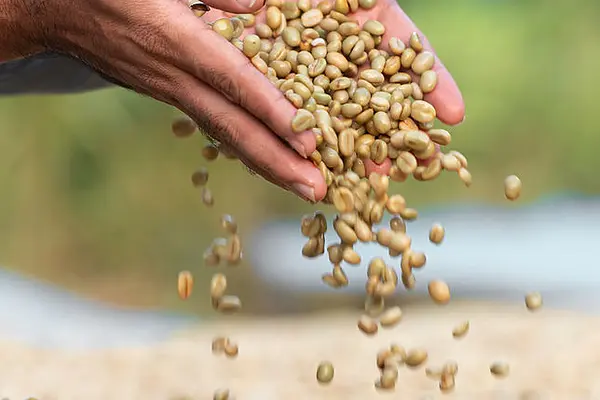
Washed Sidama
Southern Nations, Nationalities, and Peoples' Region, Bensa
Floral | Lemongrass | Green Tea | Peach
Washed · In Stock
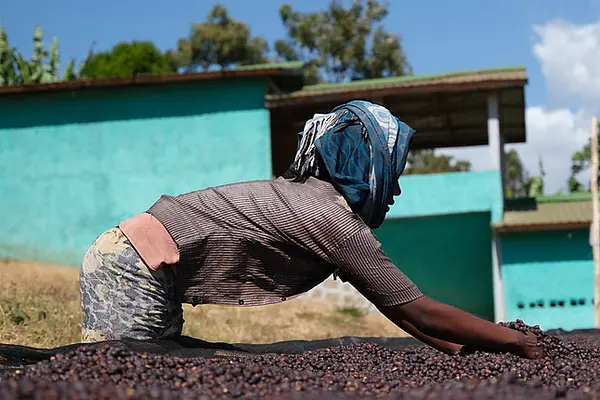
WUSH WUSH
SNNP, Chito
Sangaria | Fruit Bomb | Floral | Sweet Finish
Natural, 120 hours dry Fermentation! · In Stock
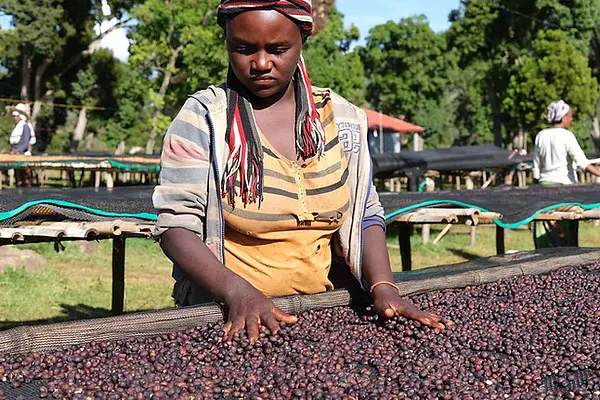
Natural ARDI
Sidama, Damo
Clean Strawberry | Peach | Sweet Finish
Natural · In Stock
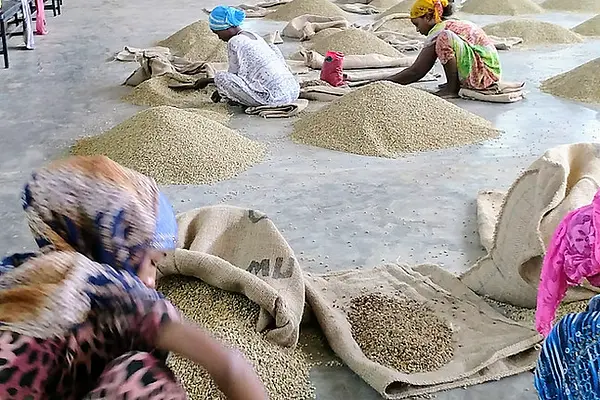
Harrar Gr 1
Oromia, Micheta
Chocolate | Barries | Carmel | Full Body
Natural · In Stock
Washed Guji
Oromia, Shakiso
Black Tea | Floral | Bergamot
Fully washed · In Stock