TL;DR for Roasters
Quick decision matrix
Each region has a niche. Here's how to match them to your menu needs:
Processing by region
Guji
Famous for naturals, but washed available. Natural-to-washed ratio: ~70/30
Sidama
Balanced production. Natural-to-washed ratio: ~50/50
Yirgacheffe
Known for washed. Natural-to-washed ratio: ~30/70
Harrar
Almost exclusively natural. Dry climate drives processing.
Region Profiles
Deep dive: each region
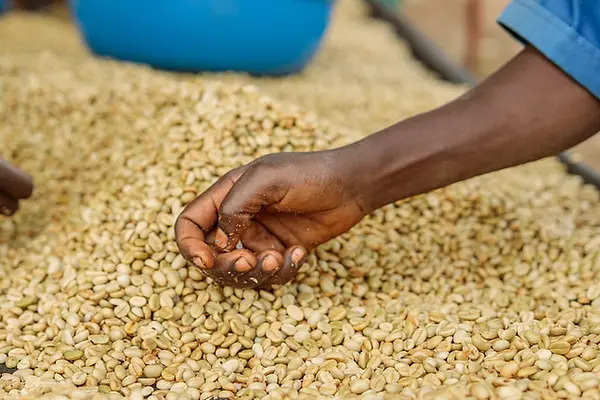
Natural Guji
Blueberry, strawberry jam, wine notes. Heavy syrupy body. The quintessential Ethiopian fruit bomb.
Best for: Single origin espresso, adventurous filter drinkers, fruit-forward menus
Washed Guji
Clean citrus, peach, jasmine. Lighter than naturals but still complex. Excellent pour-over.
Best for: Specialty retail, clean cup seekers, light roast programs
Natural Sidama
Stone fruit, ripe berry, chocolate undertones. More approachable than Guji naturals for mainstream customers.
Best for: Blend components, accessible single origins, wholesale accounts
Washed Sidama
Lemon, orange blossom, tea-like finish. Reliable quality year over year. Cooperative structure supports volume.
Best for: Core menu items, blend brightening, year-round programs
Washed Yirgacheffe
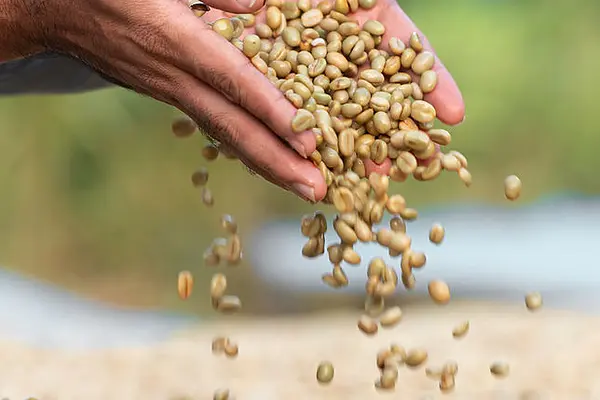
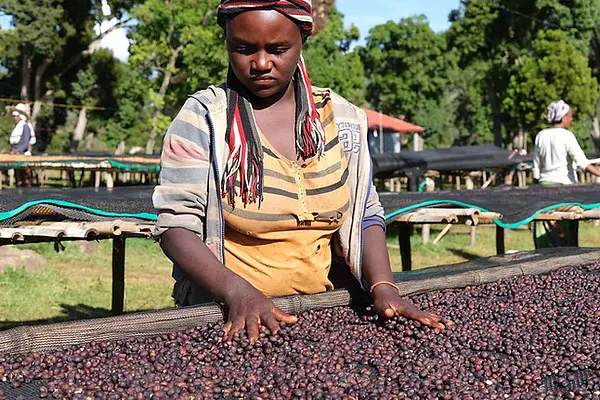
Bergamot, jasmine, lemon zest, Earl Grey tea. The benchmark for washed Ethiopian coffee. Floral complexity at its peak.
Best for: Pour-over bars, educated customers, competition coffees
Natural Yirgacheffe
Less common but available. Tropical fruit with floral backbone. Interesting bridge between processing styles.
Best for: Unique offerings, natural skeptics, complex palates
Natural Harrar
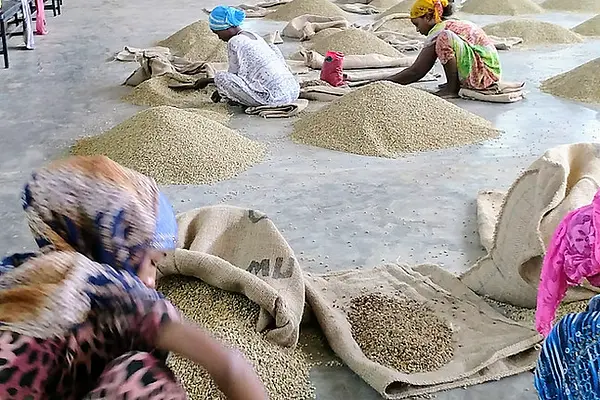
Wild blueberry, but also leather, tobacco, dried fruit, and a distinctive dry finish. Unlike any other Ethiopian coffee. The terroir here overrides processing as the primary flavor driver.
Best for: Unique menu items, natural skeptics, customers who find fruit bombs too intense, blend complexity
Why it's different: Lower elevation, drier climate, eastern location. The only Ethiopian region where terroir signature is as strong as processing influence.
Decision Guide
Which region for your use case?
Flagship single origin
Want a showstopper that starts conversations?
→Guji Natural (ARDI) or Yirgacheffe Washed
Reliable workhorse
Need consistent quality with good availability?
→Sidama (washed or natural)
Blend brightener
Adding citrus acidity to an espresso blend?
→Yirgacheffe Washed or Sidama Washed
Fruit complexity in blends
Adding fruit notes without overwhelming?
→Harrar or Sidama Natural
Pour-over program
Clean, complex, aromatic filter coffee?
→Yirgacheffe Washed or Washed Guji
Unique offering
Something nobody else has, totally distinctive?
→Harrar or specialty lot Guji
Related Resources
Learn more about Ethiopian coffee
Processing > Region
Why natural vs washed matters more than which region for cup profile.
Read the guide →